



€255.00
Travel System Stroller – Suitable for Air Travel, Road Trips & Everyday Use
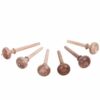

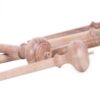
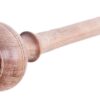
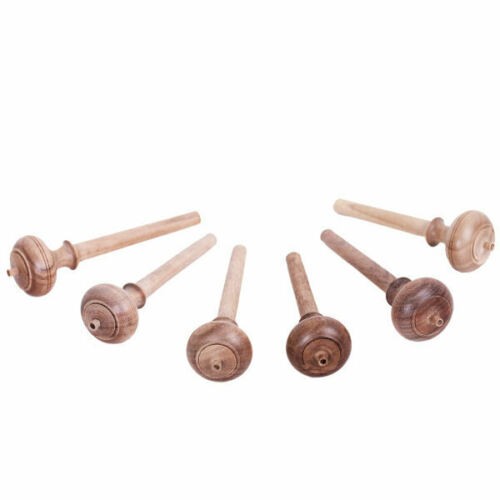

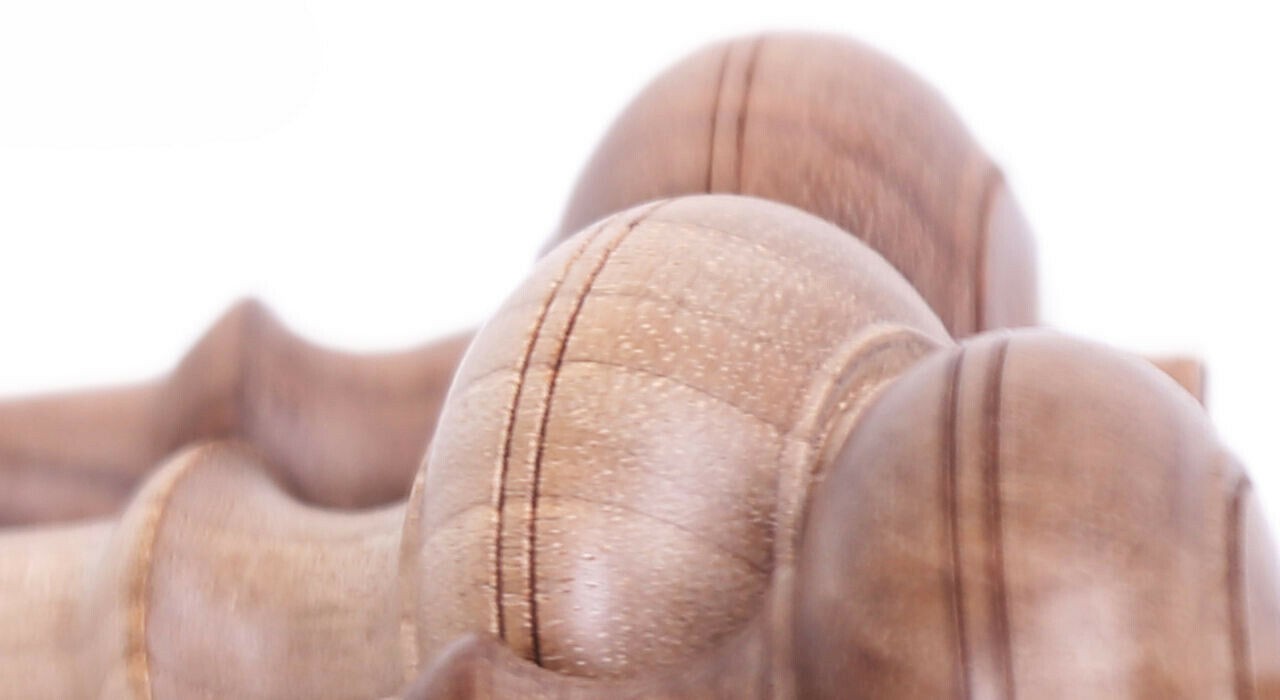
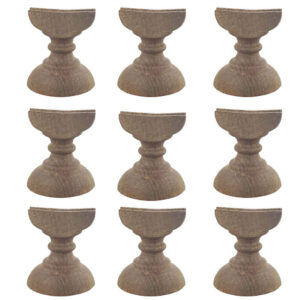
When it comes to the tuning mechanism for a Persian Tar, traditional instruments often use wooden pegs rather than a mechanical tuning key. These pegs are manually turned to adjust the tension of the strings and achieve the desired pitch. If you are looking for high-quality pegs for your Persian Tar, it's crucial to choose pegs made from durable and stable materials. Ebony or other hardwoods are commonly used for these pegs, as they offer both strength and stability. While some modern variations of Persian Tar might incorporate mechanical tuning machines or keys, the traditional method involves using wooden pegs. If your Tar has wooden pegs, ensure they are crafted from high-quality materials to provide stability and reliable tuning. Always follow the manufacturer's guidelines and recommendations for maintaining and tuning your specific instrument. If your Tar has mechanical tuning machines, you can use a tuning key to adjust the tension of the strings.
| Accessory Type | High-Quality Tuning Pegs for Persian Tar |
|---|---|
| Color | Durable Finish |
| Compatible Instrument | Specifically for Persian Tar Pegbox |
| Item Style | Smooth Rotation for Reliable Pitch Adjustment |
| Material Composition | Premium Materials for Frequent Use |
| Condition | New |
|---|---|
| Product Type | Instrument Peg |
| Material | Wood |
Can't find the answer you are looking for? Ask your question and we will help you out.