





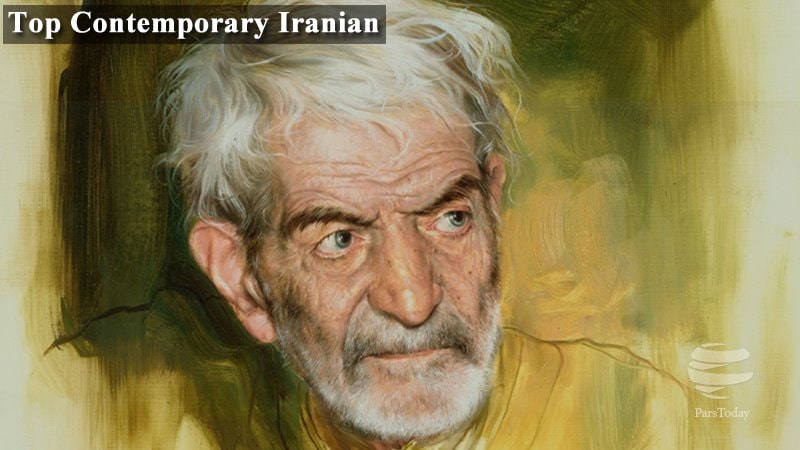
Iranian poetry has one of the richest and most influential literary traditions in the world, with a history stretching back thousands of years. From the classical masterpieces of poets such as Hafez, Saadi, Rumi, and Ferdowsi to the innovative voices of modern poets, Persian poetry has continuously evolved while preserving its deep connection with philosophy, spirituality, human emotions, and social reflection.
Contemporary Iranian poetry represents a bridge between the ancient heritage of Persian literature and the realities of modern life. Modern poets introduced new forms, themes, and expressions, exploring subjects such as identity, freedom, love, society, human experiences, and personal emotions. Their works have expanded the boundaries of Persian poetry and introduced Iranian literature to global audiences.
History and Development of Modern Iranian Poetry
Modern Iranian poetry began to take shape in the early 20th century, particularly during the Constitutional Revolution of Iran (1905–1911). This period brought significant social and political changes, inspiring poets to move beyond traditional themes and address issues such as justice, freedom, social reform, and the lives of ordinary people.
One of the most important turning points in Persian poetry was the emergence of Nima Yooshij (1897–1960), widely regarded as the father of modern Persian poetry. He introduced a revolutionary style known as “New Poetry” (She’r-e Now), breaking away from the strict classical structures of traditional Persian verse. Nima’s approach allowed poets to express personal emotions, contemporary experiences, and social concerns with greater freedom.
Following Nima’s innovations, several generations of Iranian poets developed new poetic movements, combining traditional Persian aesthetics with modern literary techniques influenced by global literature.
Nima Yooshij: The Father of Modern Persian Poetry
Nima Yooshij is considered the founder of modern Persian poetry. Born in northern Iran, he transformed Persian poetic traditions by introducing flexible rhythms, new structures, and a more personal approach to expression.
His poetry focused on nature, human emotions, social issues, and the struggles of modern life. Works such as “Afsaneh” (The Legend) marked a major shift in Persian literature and opened the way for future generations of Iranian poets.
Nima’s influence extends far beyond his own works. Almost every major contemporary Iranian poet has been influenced by his ideas and his vision of a new poetic language.
Forough Farrokhzad: Voice of Emotion and Freedom
Forough Farrokhzad (1934–1967) is one of the most celebrated and influential Iranian poets of the modern era. Her poetry introduced a powerful female voice into Persian literature and explored themes of love, identity, loneliness, social restrictions, and personal freedom.
Her collections, including “Another Birth” (Tavalodi Digar), transformed modern Persian poetry through their emotional depth, honesty, and innovative imagery. Forough’s work continues to inspire readers and writers around the world, and she remains a symbol of artistic independence and creative courage.
Ahmad Shamlou: Poetry of Humanity and Freedom
Ahmad Shamlou (1925–2000) is considered one of the greatest contemporary Iranian poets. Known for his modern style called “Sepid Poetry” (White Poetry), he moved Persian poetry away from traditional meter and created a free, musical form based on rhythm, language, and imagery.
Shamlou’s poetry reflects themes of human dignity, freedom, love, social justice, and resistance against oppression. His powerful language and philosophical perspective made him one of the most influential literary figures in modern Iran.
Sohrab Sepehri: Poetry of Nature and Spirituality
Sohrab Sepehri (1928–1980) created a unique poetic world combining simplicity, spirituality, nature, and philosophical reflection. His famous collection “The Sound of Water’s Footsteps” (Sedaye Pay-e Ab) is considered one of the masterpieces of modern Persian poetry.
Sepehri’s poetry presents a deep connection between humans and nature. Influenced by Persian mysticism, Eastern philosophy, and modern artistic movements, his works invite readers to view life with greater awareness and sensitivity.
Mehdi Akhavan-Sales: Tradition and Modernity
Mehdi Akhavan-Sales (1928–1990) was one of the most important modern Iranian poets who successfully combined classical Persian poetic traditions with modern themes. His powerful language, historical awareness, and deep social concerns made him a unique voice in contemporary Persian literature.
His poetry often explored themes of cultural identity, disappointment, social change, and the relationship between Iran’s historical heritage and modern challenges.
Contemporary Iranian Poetry Today
Today, Iranian poetry continues to evolve through new generations of poets who experiment with language, digital media, and international literary influences. Contemporary poets explore a wide range of subjects, including migration, identity, gender, technology, globalization, and personal experiences.
Modern Iranian poetry remains deeply connected to its ancient roots while constantly adapting to new realities. Through translations and international literary exchanges, the voices of Iranian poets have reached readers around the world, demonstrating the universal power of Persian poetic expression.
Cultural Significance
Poetry has always been more than a literary form in Iranian culture. It has served as a way to preserve history, express emotions, question society, and explore the meaning of human existence.
From the classical verses of ancient masters to the innovative works of contemporary poets, Iranian poetry represents a continuous dialogue between tradition and modernity. The works of modern Iranian poets provide a gateway into the cultural, social, and emotional landscape of Iran and continue to inspire generations of readers worldwide.



1 thought on “Gateway to Modern Poetry: Top Contemporary Iranian Poets”
Very useful. Thanks