


Iranian tea, known as “Chai” (چای), is far more than a simple beverage in Persian culture. It is a symbol of hospitality, friendship, conversation, and daily rituals. For centuries, tea has held a special place in Iranian homes, cafés, and social gatherings, becoming an essential part of Persian lifestyle and cultural identity.
The tradition of drinking tea in Iran represents patience, connection, and appreciation for simple moments. From welcoming guests to enjoying quiet evenings with family, a carefully brewed cup of Iranian tea reflects the warmth and generosity of Persian culture.
Although tea was introduced to Iran relatively later compared to ancient Persian beverages, it quickly became one of the most beloved drinks in the country. Today, Iran is known for its unique tea culture, traditional brewing methods, and preference for rich, aromatic black tea.
The History of Tea in Iran
Tea arrived in Iran during the late 19th century, becoming increasingly popular during the Qajar era. Before tea became widespread, Iranians traditionally consumed beverages such as coffee, herbal infusions, and fruit-based drinks. However, tea gradually replaced coffee as the preferred daily drink due to its accessibility and compatibility with Persian social customs.
The cultivation of tea began in northern Iran, especially in the lush regions around Gilan and Mazandaran along the Caspian Sea. The climate and fertile soil of these areas provided ideal conditions for growing high-quality tea plants.
Iranian tea production developed into an important agricultural tradition, and local tea farmers created varieties known for their natural aroma, smooth flavor, and balanced character. Although Iran imports many types of tea today, locally grown Iranian tea remains highly valued among tea enthusiasts.
The Importance of Tea in Persian Culture
In Iranian culture, offering tea is one of the most common expressions of hospitality. Guests are often welcomed with a glass of freshly brewed tea, accompanied by sweets, dates, pastries, or traditional Persian treats.
Tea is present during family gatherings, business meetings, celebrations, and everyday conversations. It creates an atmosphere where people slow down, communicate, and strengthen relationships.
The phrase “Chai bekhorim” (let’s drink tea) often means much more than drinking a beverage. It represents an invitation to sit together, share stories, and enjoy companionship.
Traditional Iranian Tea Preparation
The traditional Iranian method of preparing tea is based on patience and careful attention. Unlike quick brewing methods, Persian tea is slowly prepared to develop a rich color, deep aroma, and smooth taste.
The most important element of Iranian tea preparation is the use of a traditional teapot called “Gheyloun” or more commonly a porcelain or metal teapot placed over a kettle. This method allows the tea to brew slowly through gentle heat.
The process usually involves two parts:
The concentrated tea extract (Rangin or strong tea), which is brewed in the upper teapot.
Hot water from the kettle, which is added to adjust the strength according to personal preference.
This technique allows each person to create their own perfect balance between strong flavor and lighter taste.
Choosing the Right Iranian Tea
Authentic Iranian tea is usually made from black tea leaves that are carefully selected for quality, aroma, and natural flavor. Traditional Iranian tea is typically free from artificial flavors and focuses on the pure character of the tea leaves.
High-quality Iranian tea often has:
– A natural reddish-golden color
– A smooth and balanced taste
– A pleasant floral or earthy aroma
– A long-lasting flavor after brewing
Popular Iranian tea varieties include:
Persian Black Tea
Traditional Iranian black tea is the most common type consumed throughout Iran. It is valued for its rich aroma, deep color, and ability to pair perfectly with Persian sweets.
Golestan Tea
Golestan-style tea is one of the recognized Iranian tea traditions, offering carefully selected black tea blends with a smooth and familiar Persian taste.
Fresh Northern Iranian Tea
Tea grown in the northern provinces of Iran is appreciated for its natural qualities, lighter aroma, and authentic local character.
The Art of Brewing the Perfect Cup
Preparing an excellent cup of Iranian tea requires attention to several details:
1. Use Fresh Water
Fresh, clean water is essential because water quality directly affects the taste of tea. Traditionally, Iranians prefer freshly boiled water rather than repeatedly heated water.
2. Warm the Teapot
Rinsing the teapot with hot water before adding tea leaves helps maintain the correct brewing temperature.
3. Measure the Tea Leaves Carefully
The amount of tea depends on personal preference, but a balanced ratio allows the leaves to release their full aroma without becoming too bitter.
4. Allow Slow Brewing
Authentic Persian tea is usually brewed slowly for 10 to 20 minutes. Patience allows the flavors and aromas to develop naturally.
5. Adjust Strength Before Serving
The concentrated tea is mixed with hot water in each glass according to individual taste preferences.
The Traditional Way of Serving Iranian Tea
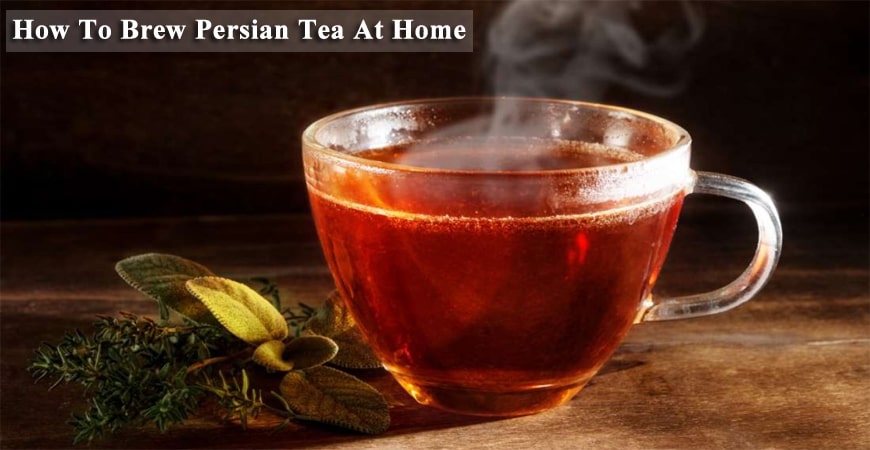
Iranian tea is traditionally served in small glass cups called “Estekan” (استکان), allowing people to appreciate its beautiful color.
Tea is often accompanied by:
– Sugar cubes
– Dates
– Saffron sweets
– Persian pastries
– Nuts
– Fresh or dried fruits
Many Iranians enjoy placing a sugar cube between their teeth while drinking tea, allowing the sweetness to gradually blend with the tea flavor.
Tea and Persian Hospitality
Tea is deeply connected with the concept of “Mehmani” (hospitality) in Iranian culture. Serving tea is considered an act of respect and kindness toward guests.
A Persian host often offers tea several times during a visit, showing care and creating a welcoming environment. The preparation and presentation of tea reflect the host’s attention to detail and generosity.
Health and Natural Benefits
Traditional black tea contains natural antioxidants and has been appreciated for centuries as part of a balanced lifestyle. When consumed moderately, tea can provide a relaxing experience and contribute to daily well-being.
Iranian tea culture also emphasizes mindfulness, encouraging people to pause, relax, and enjoy meaningful moments.
The Modern Revival of Iranian Tea Culture
Today, Iranian tea continues to experience renewed appreciation both inside Iran and internationally. Tea enthusiasts around the world are discovering the unique qualities of Persian tea, traditional brewing methods, and the cultural stories behind each cup.
Modern cafés and tea houses increasingly combine traditional Iranian tea rituals with contemporary designs, introducing Persian tea culture to new generations.
Cultural Significance
Authentic Iranian tea represents much more than a drink. It is a cultural tradition that carries centuries of history, hospitality, and human connection.
From the fields of northern Iran to family gatherings around the tea table, every cup tells a story of patience, warmth, and Persian identity.
The art of brewing Iranian tea is a reminder that true enjoyment often comes from simple rituals, shared moments, and appreciation for traditions passed from one generation to another.