


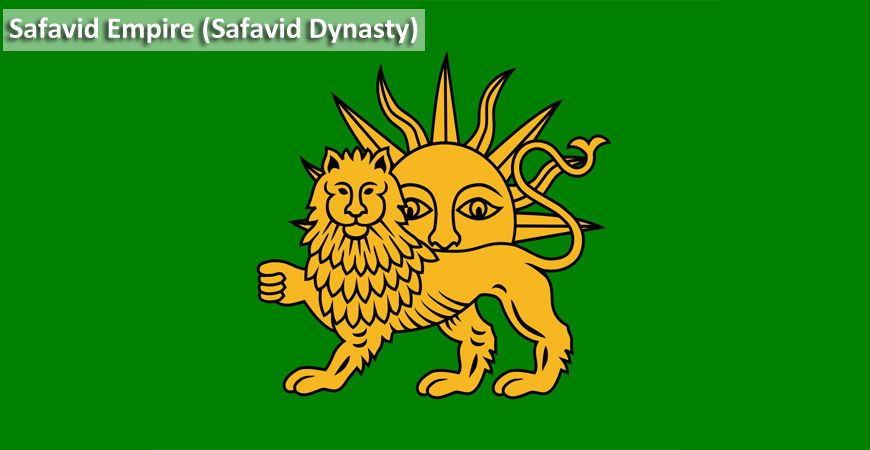
The Safavid Empire stands as one of the most influential and transformative periods in Persian history. Emerging in the early 16th century, the Safavids reshaped Persia politically, culturally, and religiously, creating a powerful state that became one of the greatest empires of its time. Their rise marked the beginning of a new era in Iranian history, one characterized by national identity, artistic brilliance, architectural achievements, and cultural prosperity.
The origins of the Safavid dynasty can be traced back to a spiritual movement founded by Sheikh Safi al-Din Ardabili in the early 14th century in Ardabil, located in northwestern Iran. Originally a Sufi religious order, the Safavid movement gradually gained political influence and attracted many followers. Under the leadership of Shah Ismail I, the dynasty transformed from a religious movement into a powerful ruling dynasty. In 1501, Shah Ismail captured Tabriz and declared himself the Shah of Persia, officially establishing the Safavid Empire.
One of the most significant achievements of the Safavids was the unification of Persia after centuries of political fragmentation. Before their rise, the Iranian plateau had been divided among various regional powers and competing rulers. The Safavids created a centralized government, strengthened royal authority, and established a sense of political unity that would define Iran for centuries.
A defining feature of the Safavid Empire was the establishment of Twelver Shia Islam as the official state religion. This decision had a profound impact on Persian identity and distinguished Safavid Persia from its Sunni neighbors, particularly the Ottoman Empire. The promotion of Shia Islam helped create a unique cultural and religious identity that continues to influence Iran today.
The Safavid rulers were not only political leaders but also great patrons of art, architecture, and culture. During their reign, Persian art experienced a remarkable golden age. Miniature painting, carpet weaving, calligraphy, ceramics, and metalwork reached extraordinary levels of refinement. Safavid carpets became famous throughout the world for their intricate designs, exceptional craftsmanship, and artistic beauty.
The reign of Shah Abbas I, known as Abbas the Great, represented the peak of Safavid power and cultural achievement. Ascending to the throne in 1587, Shah Abbas introduced major military, economic, and administrative reforms that strengthened the empire. He reorganized the army, reduced the influence of powerful tribal groups, expanded trade relations, and transformed Persia into a major international power.
One of Shah Abbas’s greatest accomplishments was the development of Isfahan as the magnificent capital of the empire. Under his rule, Isfahan became one of the most beautiful cities in the world, famous for its grand squares, elegant mosques, impressive palaces, and carefully planned urban design. The famous Naqsh-e Jahan Square became a symbol of Safavid prosperity and architectural excellence, reflecting the empire’s wealth and cultural confidence.
The Safavid Empire also played an important role in international trade. Located between Europe, Central Asia, and the Indian subcontinent, Persia became a major center of commerce. Silk production was one of the empire’s most valuable industries, and Persian silk was highly sought after in European and Asian markets. Diplomatic and commercial relations with European countries further increased the empire’s global influence.
Despite its achievements, the Safavid Empire faced many challenges. Conflicts with the Ottoman Empire, internal political struggles, economic difficulties, and invasions weakened the state over time. In 1722, the Afghan invasion of Isfahan led to the collapse of Safavid authority, bringing an end to one of the most remarkable dynasties in Persian history.
The legacy of the Safavid Empire remains deeply connected to modern Iran. The political boundaries, religious identity, artistic traditions, and cultural achievements developed during the Safavid period continue to shape Iranian society. The dynasty transformed Persia from a fragmented region into a unified and influential state, leaving behind a rich heritage that continues to inspire the world.
The Safavid Empire was more than a political power; it was a period of cultural awakening and national transformation. Through its achievements in governance, religion, art, architecture, and international relations, the Safavids created a golden chapter in Persian history and secured their place as one of the most important dynasties of the ancient and early modern world.