


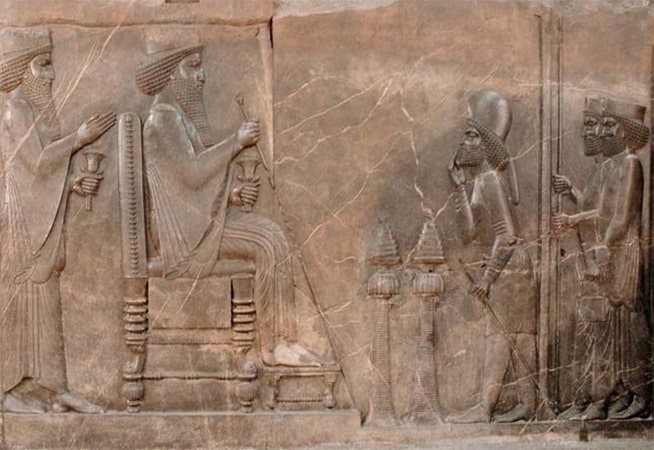
Darius the Great stands among the most remarkable rulers in the history of ancient Persia. As one of the greatest kings of the Achaemenid Empire, he transformed a vast and diverse kingdom into one of the most organized, powerful, and influential empires the world had ever seen. His reign was not only defined by military achievements and territorial expansion but also by his vision of administration, justice, architecture, and cultural development.
Born around 550 BC, Darius came to power in 522 BC during a period of political instability after the death of Cambyses II. Through determination, strategic intelligence, and strong leadership, he secured the throne and established a new era of stability. Unlike many conquerors of his time, Darius understood that maintaining a great empire required more than military strength; it required effective governance, respect for different cultures, and a well-structured system of administration.
One of Darius’s greatest achievements was the organization of the Achaemenid Empire into a sophisticated administrative system. He divided the empire into provinces known as satrapies, each governed by appointed officials called satraps. This system allowed him to manage territories stretching from the Indus Valley in the east to Egypt, Anatolia, and parts of Europe in the west. By creating clear responsibilities and maintaining communication between the central government and local authorities, Darius strengthened the unity of his enormous empire.
Darius was also a pioneer in developing infrastructure that connected different parts of his realm. One of his most famous projects was the Royal Road, an extensive network of roads that allowed messages, goods, and officials to travel quickly across the empire. The establishment of an efficient postal system helped the Persian government communicate effectively, making the Achaemenid Empire one of the best-connected civilizations of the ancient world.
Justice and fairness were central elements of Darius’s rule. Inscriptions from his reign show his belief in truth, order, and the protection of his subjects. He presented himself as a king chosen to maintain harmony and fight against chaos. His famous inscription at Behistun describes his struggle to restore order and emphasizes the importance of honesty and rightful leadership.
Darius also left an unforgettable mark on Persian architecture. During his reign, the magnificent city of Persepolis began to rise as a symbol of Persian power and cultural achievement. The grand palaces, impressive stone reliefs, and carefully designed ceremonial spaces reflected the artistic skills of many cultures within the empire. Persepolis was not only a royal residence but also a place that represented the unity and greatness of the Persian civilization.
His economic reforms were equally significant. Darius introduced a standardized currency system, including the gold Daric coin, which improved trade and strengthened economic connections throughout the empire. This innovation helped Persian merchants conduct business across vast regions and contributed to the prosperity of the empire.
In foreign affairs, Darius expanded Persian influence through successful campaigns and diplomatic efforts. His empire reached its greatest geographical extent during his reign, covering territories inhabited by millions of people from various ethnic and cultural backgrounds. Although his military campaign against Greece ended unsuccessfully at the Battle of Marathon in 490 BC, his broader achievements as a ruler remained extraordinary.
Darius the Great was not simply a conqueror; he was a builder, organizer, and visionary leader. His ability to govern a multicultural empire with respect and structure set a standard for future civilizations. The administrative systems, roads, architectural achievements, and cultural policies he created continued to influence governments long after the fall of the Achaemenid Empire.
Today, Darius the Great remains a powerful symbol of Persian heritage and leadership. His legacy represents the ideas of order, justice, innovation, and cultural cooperation. Through his remarkable achievements, he transformed Persia into a global empire and secured his place as one of the greatest rulers in ancient history.