


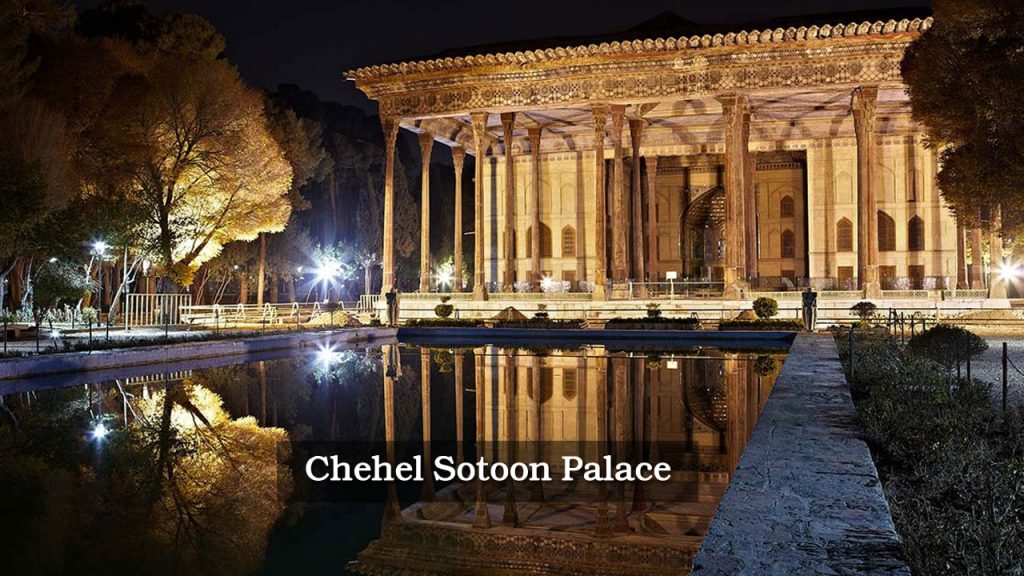
Chehel Sotoun Palace is one of the most beautiful historical monuments of Iran and a magnificent example of Safavid architecture, art, and royal culture. Located in the heart of Isfahan, this elegant palace represents the artistic excellence, refined taste, and cultural achievements of the Safavid era. With its breathtaking gardens, graceful columns, remarkable paintings, and peaceful atmosphere, Chehel Sotoun remains one of the most fascinating destinations for visitors interested in Persian history and architecture.
The name Chehel Sotoun means “Forty Columns,” although the palace actually contains twenty wooden columns. The name comes from the reflection of these columns in the large pool located in front of the building, creating the illusion of forty columns when viewed from a distance. This symbolic relationship between architecture, water, and reflection represents one of the most poetic elements of Persian garden design, where nature and human creativity exist in perfect harmony.
The palace was originally built during the reign of Shah Abbas I in the early seventeenth century as a royal pavilion within a magnificent Persian garden. Later, during the rule of Shah Abbas II, the structure was expanded and decorated with impressive frescoes, paintings, and architectural details. The palace was designed as a place for royal receptions, diplomatic meetings, celebrations, and entertainment, reflecting the grandeur and sophistication of the Safavid court.
Chehel Sotoun Palace is located within the historic complex of Isfahan and forms part of the famous Persian garden tradition. The surrounding garden, known as Bagh-e Chehel Sotoun, follows the principles of Persian landscape design, combining symmetry, flowing water, carefully arranged trees, and beautiful pathways. This connection between architecture and nature creates a peaceful environment that has inspired artists, poets, and travelers for centuries.
One of the most remarkable features of the palace is its magnificent wooden columned hall. The twenty tall columns made of wood support the elegant entrance structure and create a sense of openness and harmony. The reflection of these columns in the water pool in front of the palace enhances the visual beauty of the building and gives it its famous name.
The interior of Chehel Sotoun is decorated with some of the finest examples of Persian mural painting. Large historical paintings cover the walls and depict important events from the Safavid period, including royal ceremonies, battles, and diplomatic encounters. These artworks provide valuable insights into the clothing, traditions, military scenes, and social life of seventeenth-century Persia.
Among the most famous paintings inside the palace is the depiction of the Battle of Chaldiran between the Safavid and Ottoman armies. Another important painting shows the reception of the Mughal ruler Humayun by Shah Tahmasp, illustrating the diplomatic relationships between Persian rulers and neighboring civilizations. These paintings are not only artistic masterpieces but also important historical documents.
The decorative elements of Chehel Sotoun demonstrate the extraordinary skills of Persian craftsmen. Intricate tilework, delicate stucco decorations, colorful paintings, and elegant architectural details reveal the high level of artistic achievement during the Safavid period. Every element of the palace was carefully designed to create a sense of beauty, balance, and royal dignity.
During the Safavid era, Chehel Sotoun served as a place where kings welcomed foreign ambassadors, hosted important ceremonies, and celebrated royal events. Visitors from Europe and other regions often described the palace as one of the most impressive sights of Isfahan, praising its gardens, artistic decorations, and peaceful atmosphere.
Today, Chehel Sotoun Palace is one of the most important cultural attractions of Isfahan. Visitors can explore its beautiful garden, admire the historic paintings, observe the elegant architecture, and experience the atmosphere of a royal residence from centuries ago. The palace offers a unique opportunity to understand the artistic and cultural achievements of Safavid Iran.
A visit to Chehel Sotoun is not only a journey through architecture but also a journey through Persian history, art, and philosophy. The harmony between water, gardens, paintings, and architecture reflects the Persian idea of creating a perfect environment where humans, nature, and beauty are connected.
Recognized as a UNESCO World Heritage Site as part of the Persian Garden collection, Chehel Sotoun Palace continues to preserve the legacy of Iranian creativity and architectural excellence. It remains a timeless symbol of the golden age of Safavid Persia and one of the finest examples of how art and nature can be united in a single masterpiece.
For travelers visiting Isfahan, Chehel Sotoun Palace is an unforgettable destination. Walking through its gardens, standing beneath its wooden columns, and observing its historic paintings allows visitors to experience the elegance, imagination, and cultural richness of one of Iran’s greatest historical periods.